
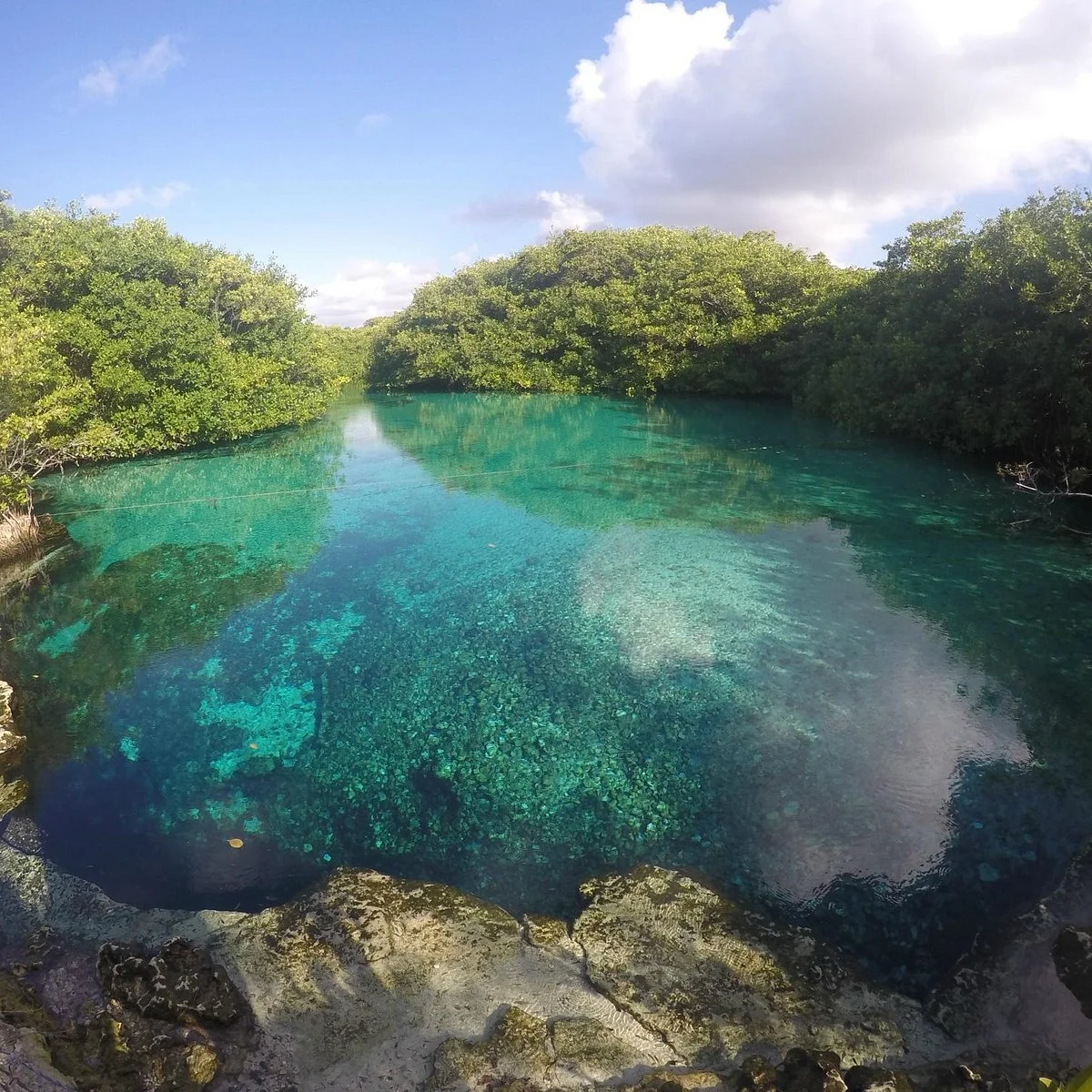
Snorkeling Tours in Tulum
Explore Tulum’s underwater world without scuba gear.
Our guided snorkeling tours are perfect for couples, families, mixed groups and non-divers, with options to explore Tulum’s crystal-clear freshwater cenotes or the vibrant Caribbean reef.
Whether you're new to snorkeling or already love being in the water, we'll help you enjoy a relaxed and memorable experience.
Choose Your Snorkeling Tour
-
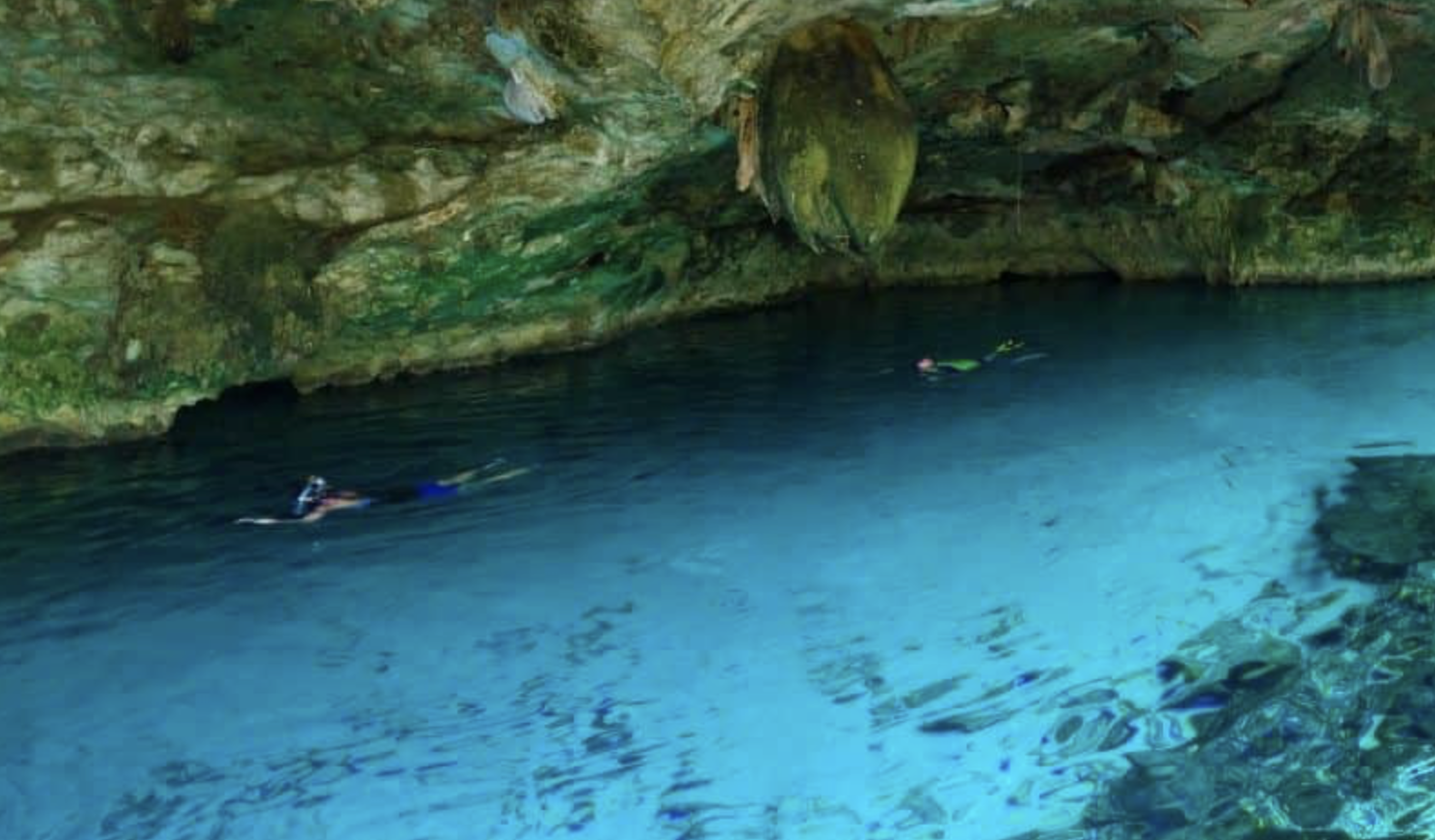
Cenote Snorkeling
Discover the crystal-clear freshwater cenotes of the Riviera Maya, surrounded by jungle, limestone formations and spectacular underwater scenery.
Our cenote snorkeling tours are private, giving you a more personal and relaxed experience with your own guide.
-
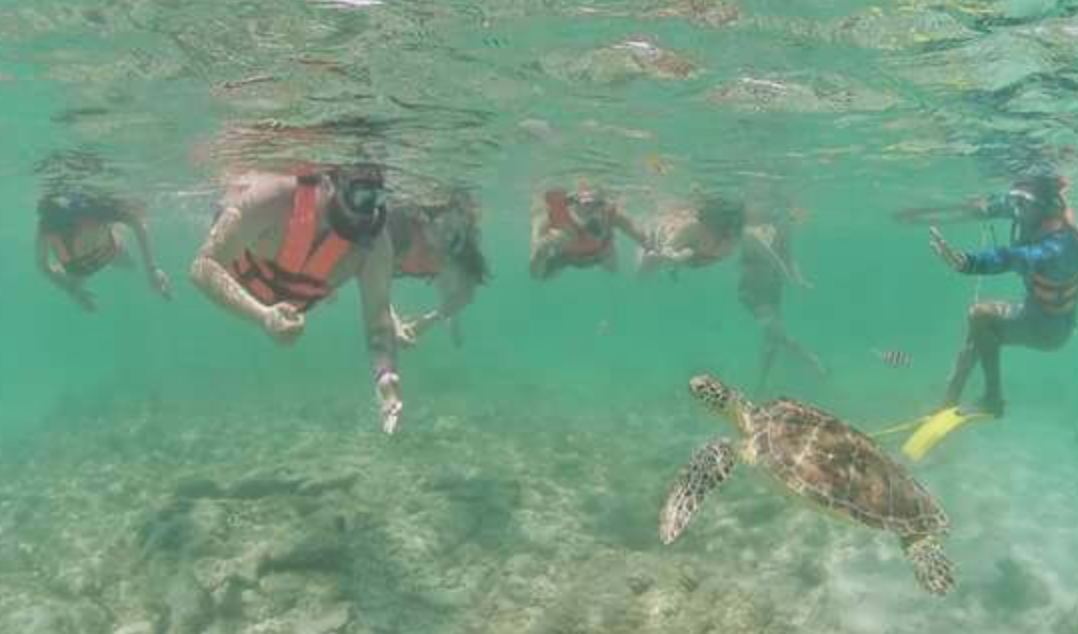
Reef Snorkeling
Explore Tulum’s section of the Mesoamerican Barrier Reef, home to coral formations, tropical fish and, if you're lucky, turtles and rays.
Choose from our standard reef snorkeling experience or combine the reef with views of the Tulum ruins and a freshwater cenote.
Cenotes or Reef?
Cenote snorkeling is an excellent choice for less confident swimmers, anyone prone to seasickness or those who find getting in and out of boats difficult. With calm freshwater and easy access directly from the shore or a platform, it's a relaxed and accessible experience. Cenote tours can also usually go ahead regardless of the weather.
Reef snorkeling is ideal for those who enjoy the open ocean and want to experience the Caribbean's marine life. Tours involve a boat trip and depend on suitable weather and sea conditions.
Prefer to Explore Independently?
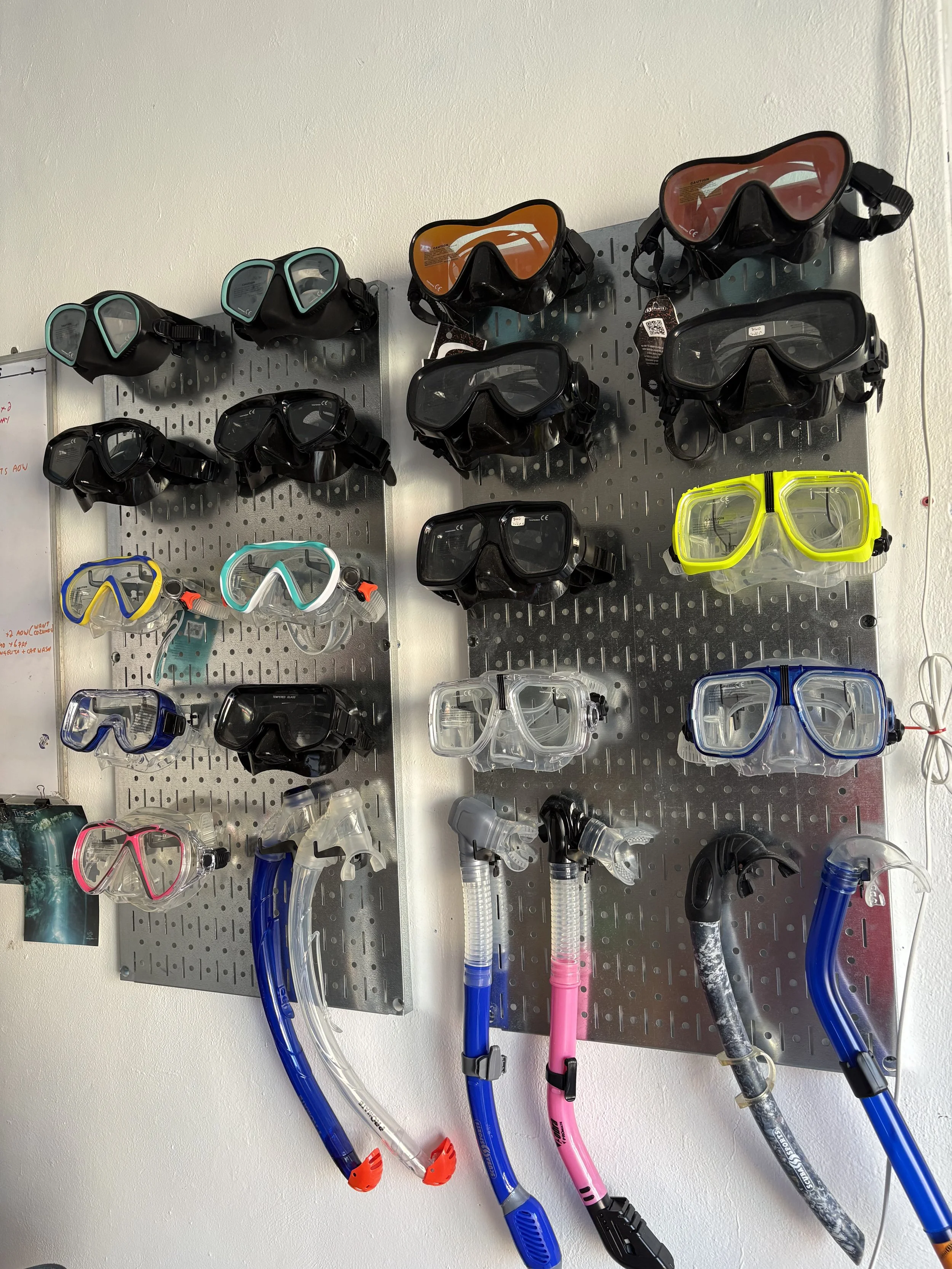
Planning to visit Tulum's beaches or cenotes on your own? At Flying Fish Tulum, we sell high-quality masks suitable for both scuba diving and snorkeling, along with snorkels.
We also offer masks and snorkels for rent, so you can enjoy snorkeling in Tulum without buying your own equipment.
Pop into our dive shop in Tulum Centro, where our team can help you find a mask that fits properly.
Snorkeling FAQs
-
Tulum offers two very different snorkeling experiences: freshwater cenotes and the Caribbean Sea. Cenotes are known for their clear water and beautiful underwater limestone formations, while the coral reefs offshore are home to colourful tropical fish, sea turtles and other marine life.
Flying Fish Tulum offers guided snorkeling tours to both cenotes and the reef.
-
You don't need to be an expert swimmer, but you should feel reasonably comfortable in the water. Cenote snorkeling is often a good option for less confident swimmers because the water is calm and there's no need to climb in and out of a boat.
Life jackets are available, and our guides can help you feel comfortable in the water. Please let us know beforehand if you have any concerns about your swimming ability.
-
Yes! All necessary snorkeling equipment is included in our guided cenote and reef snorkeling tours, including masks, snorkels and any additional safety equipment required for the activity.
-
Yes! You can explore some of Tulum's beaches and cenotes independently.
Beach snorkeling: Always check local conditions before entering the water, and pay attention to any warning flags or signs indicating whether it's safe to swim.
Cenote snorkeling: Most cenotes are privately owned or managed and charge an entrance fee. Each cenote has its own rules, which may include compulsory life jackets or restrictions on wearing fins. Life jackets may be provided or available to rent, so it's worth checking before you visit.
Flying Fish Tulum sells and rents masks and snorkels if you need equipment for your own adventure.
-
Absolutely! At Flying Fish Tulum Dive Center, we sell quality masks suitable for both scuba diving and snorkeling, as well as snorkels. Our experienced team can help you find a mask that fits properly.
Masks and snorkels are also available to rent if you'd rather not purchase your own equipment.
-
It depends on where you're snorkeling. Reef snorkeling is subject to sea conditions, and boat trips may be cancelled when the weather is unsuitable.
Cenote snorkeling is generally more reliable because it takes place in freshwater locations inland, although unusually heavy rain can sometimes affect visibility at some of the open cenotes.